Protein
Understand Protein. Eat Better. Build Better Habits.
Practical, evidence-aware guidance about protein, food sources, meal planning and everyday nutrition.
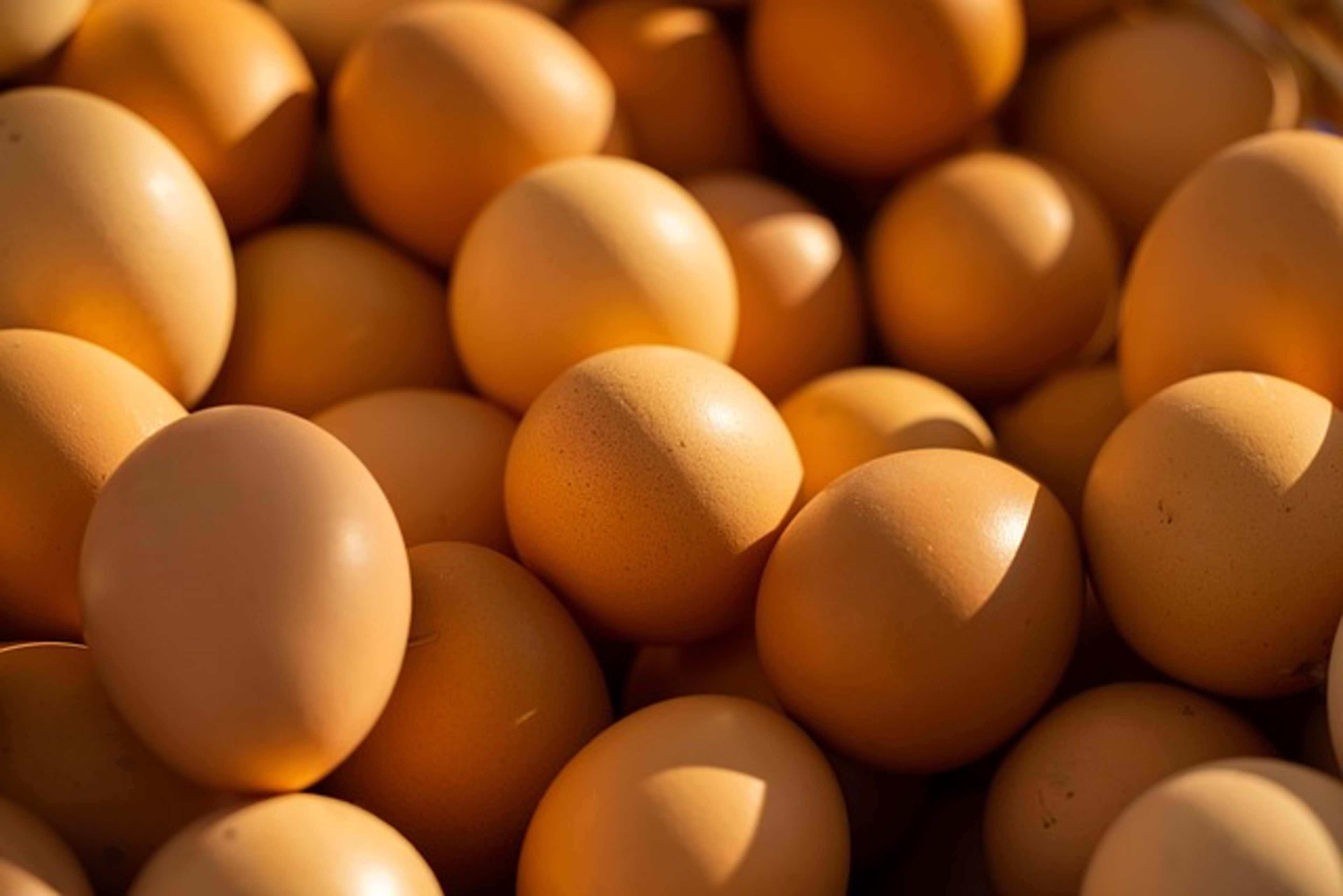

Featured Protein Guide
How Much Protein Do You Really Need?
A practical guide to protein intake — the 1.6g rule, portion visuals and three realistic sample days.
Read GuidePopular Protein Articles
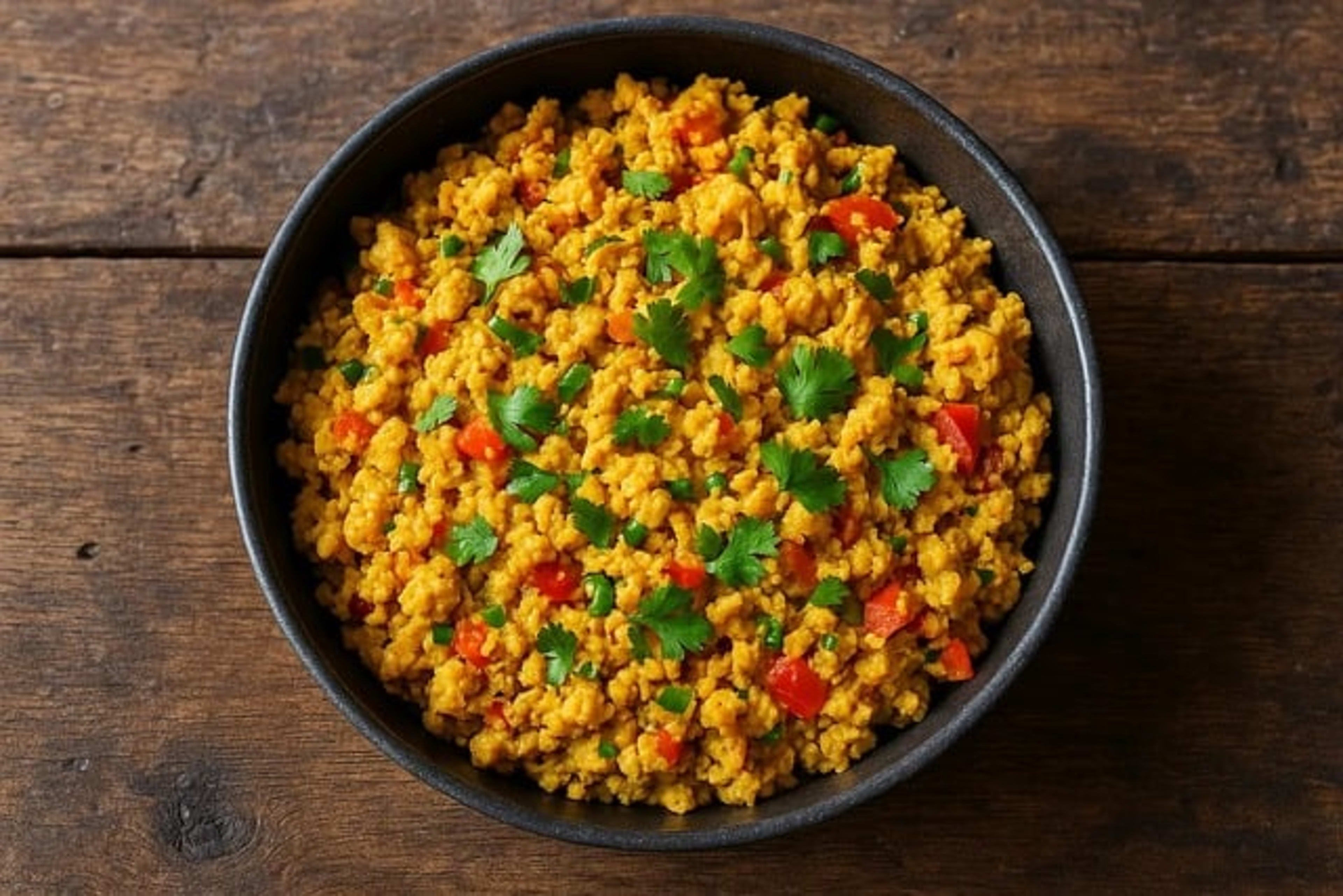
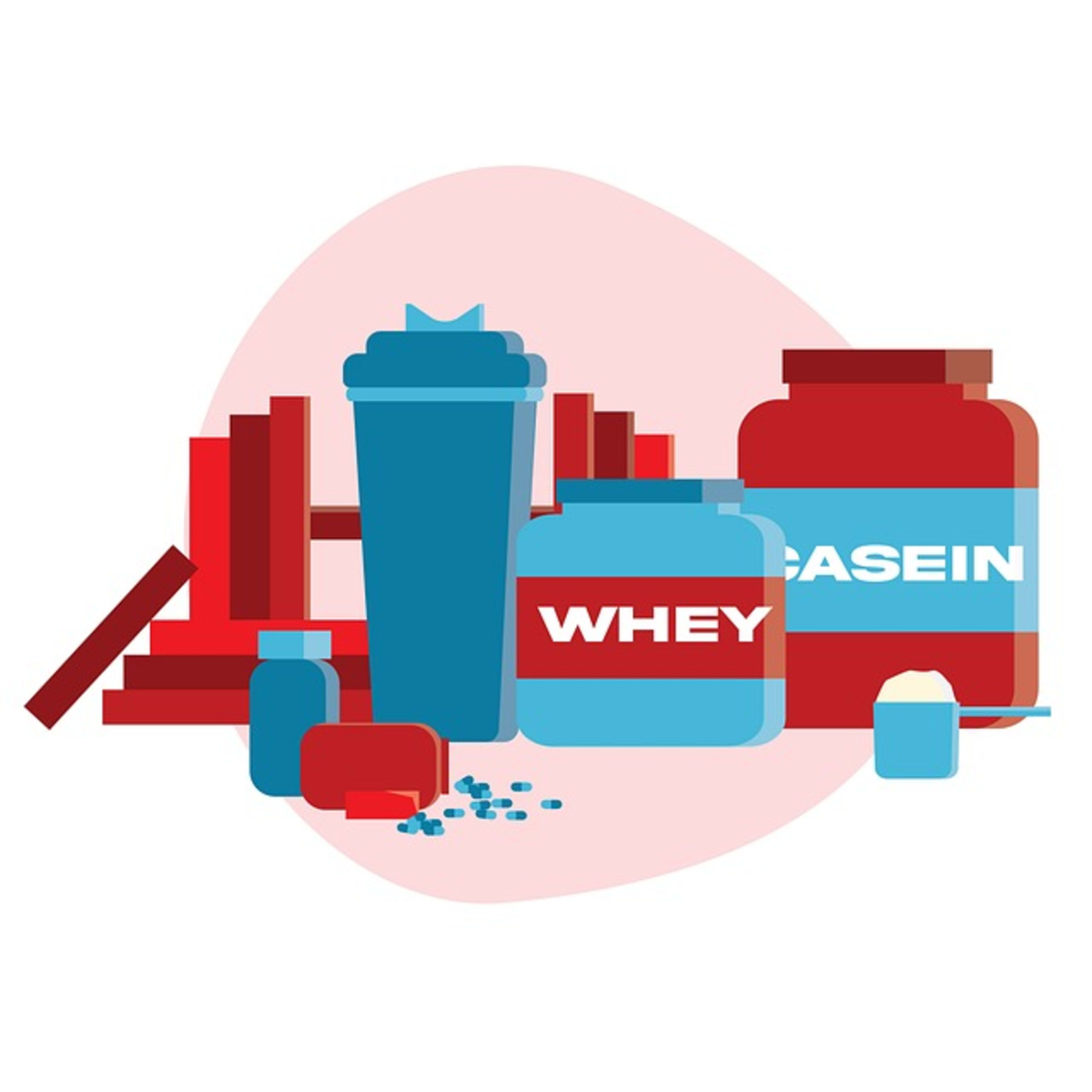

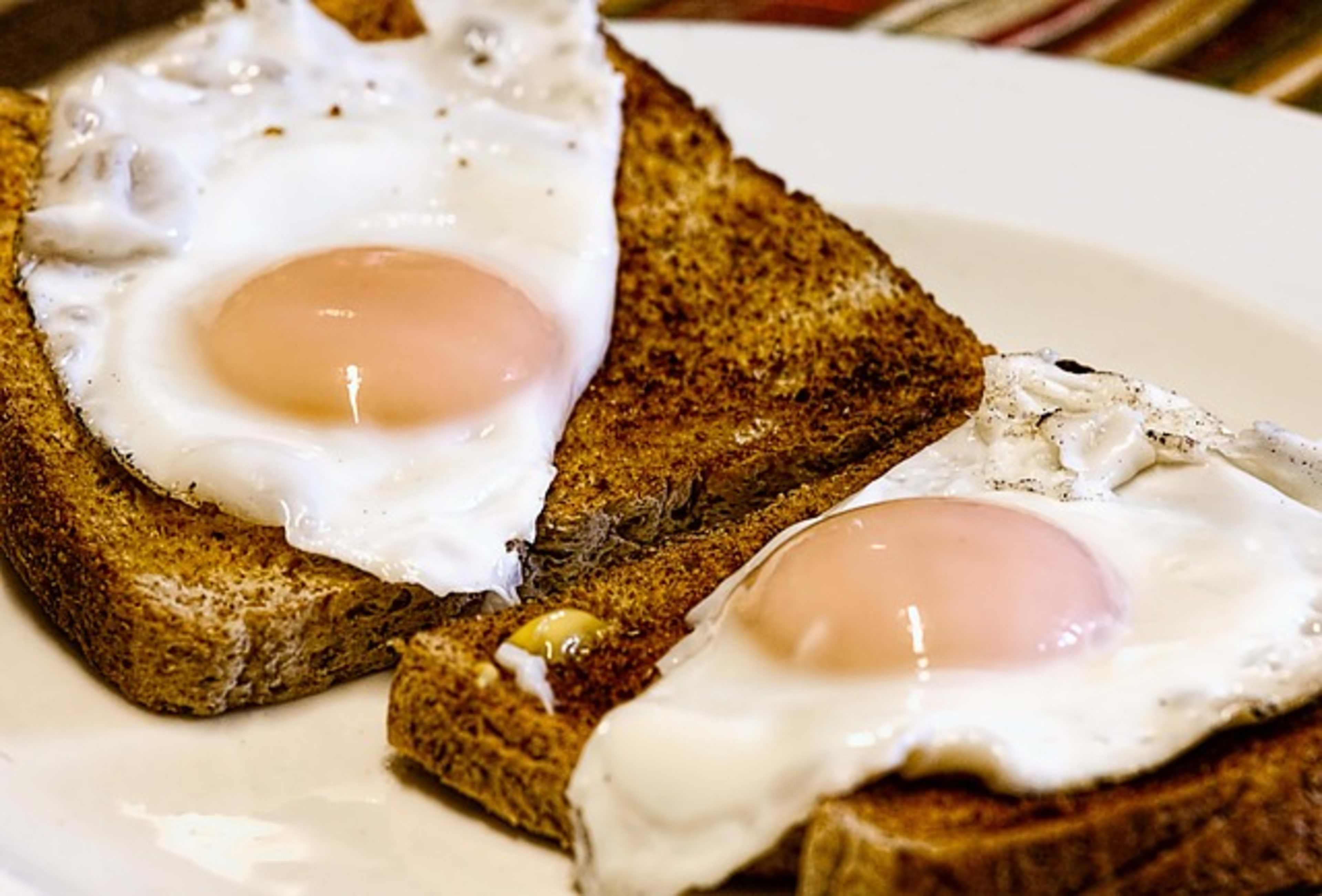
Article Library
Latest Protein Articles

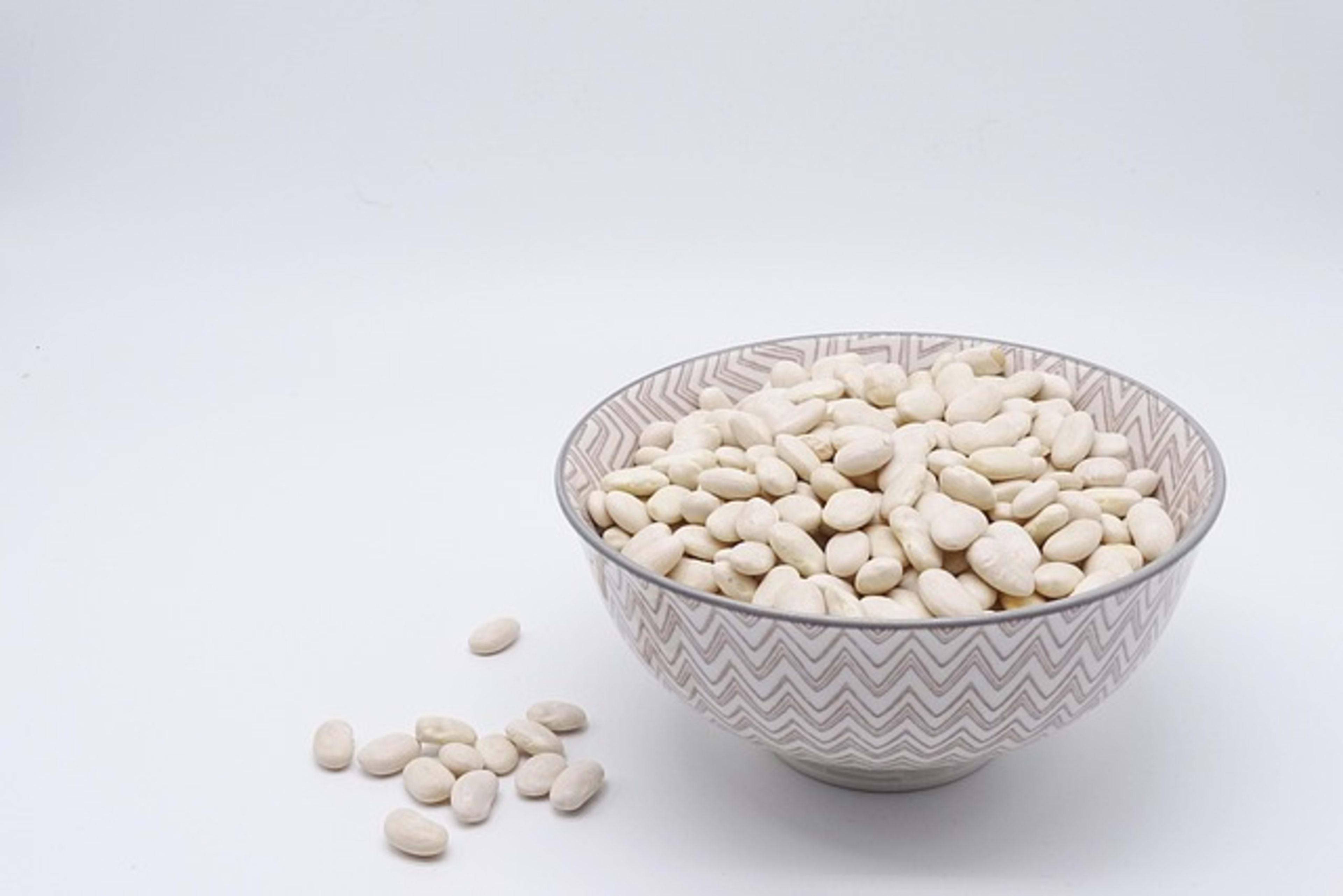
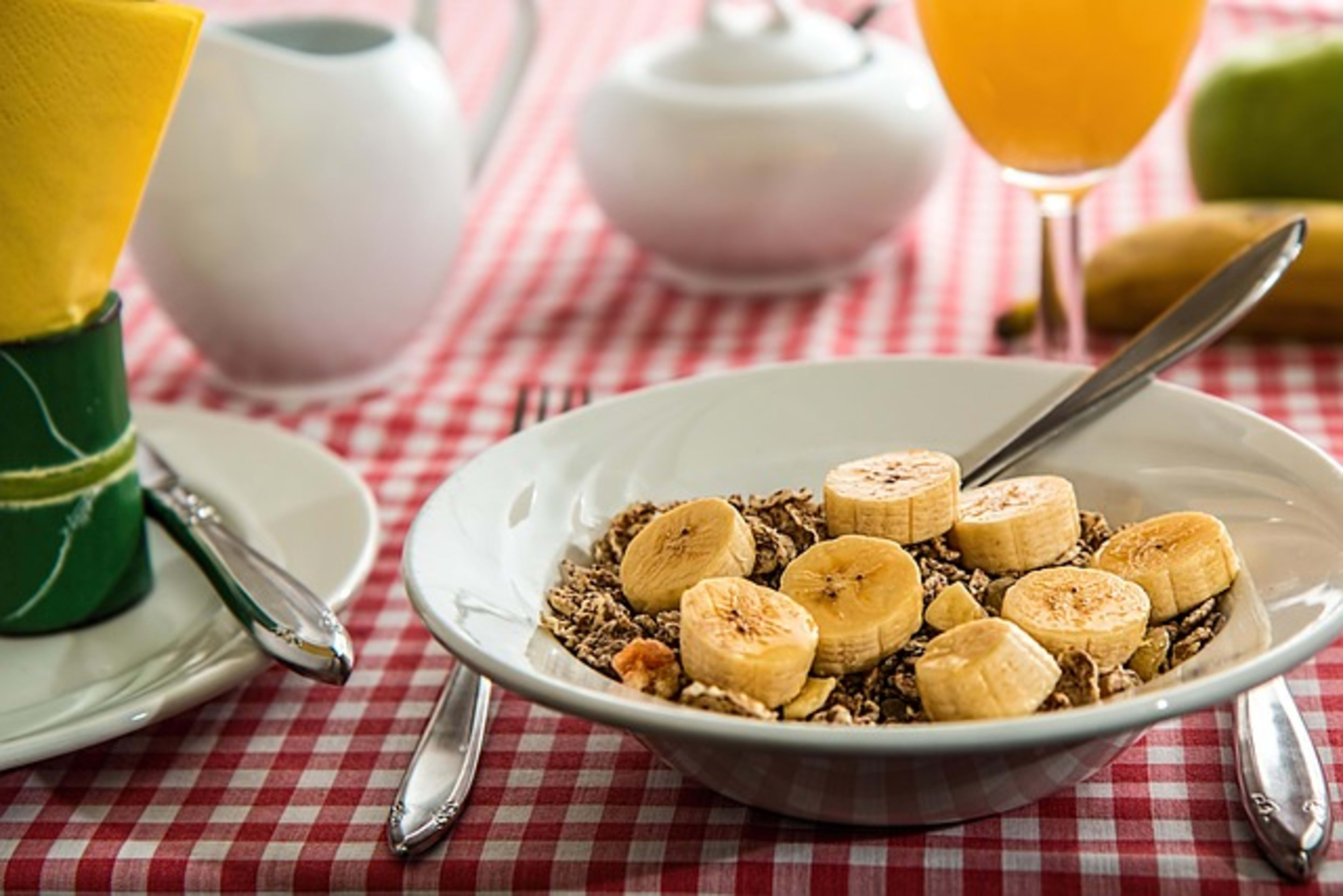
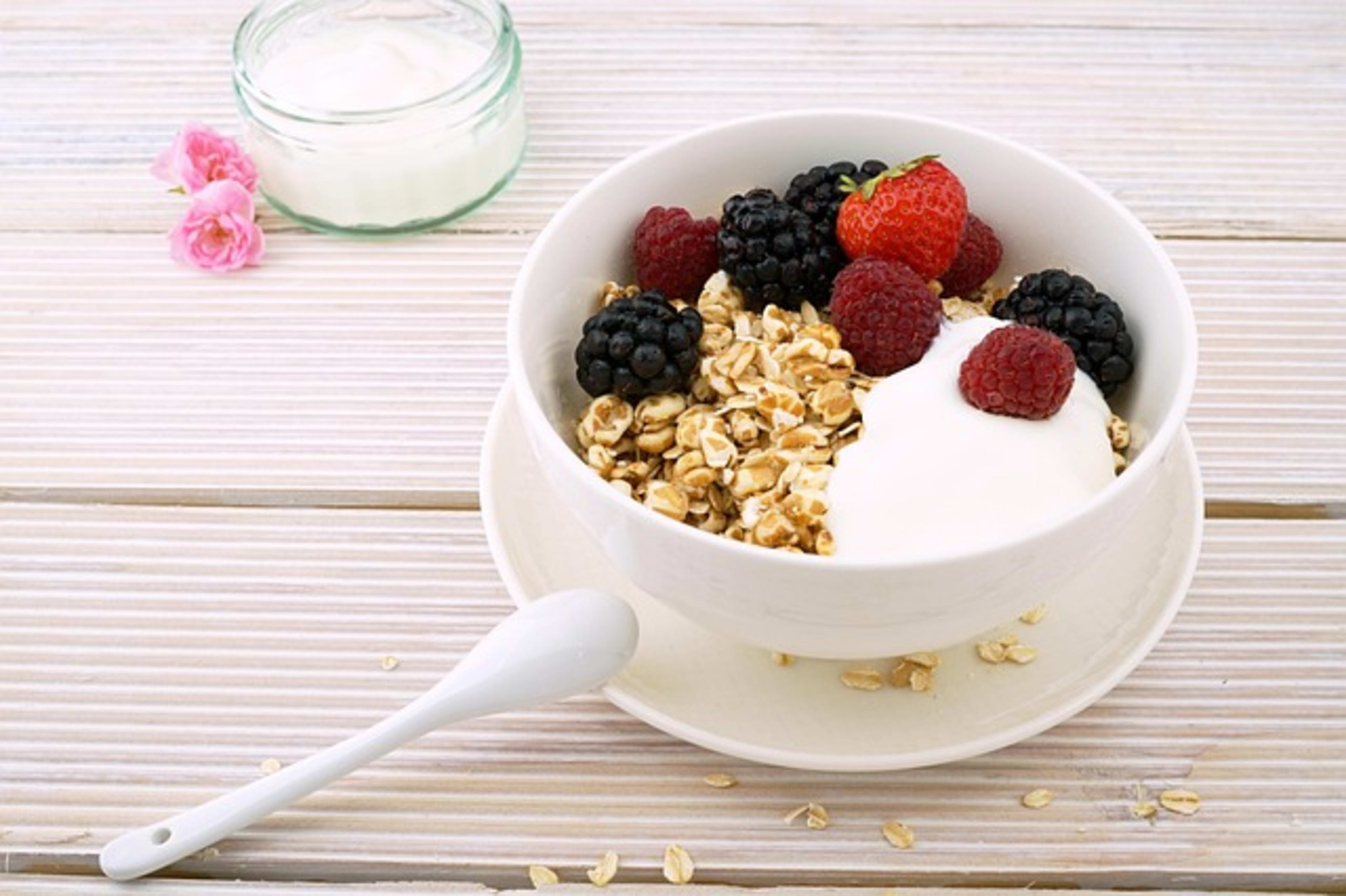


The Protein Guide
What Is Protein and Why Does It Matter?
Learn about protein sources, meal planning, protein-rich foods and how to build balanced meals.
Read the Full GuideAbout Protein
Protein is found in a wide range of foods, including meat, fish, eggs, dairy, legumes, soy foods, nuts and seeds. Understanding different protein sources can make meal planning easier — and most people do best spreading intake across three to four meals rather than loading it into one.
Around 1.6 grams per kilogram of body weight per day covers most active people. Food first, supplements only for convenience, and no single source is mandatory.
Protein FAQ
What foods are high in protein?
Meat, fish, eggs, dairy, legumes, soy foods, nuts and seeds — plus grains like quinoa and oats in supporting roles.
How much protein do I need?
Roughly 1.6g per kilogram of body weight daily for active people — about 110g for a 70kg adult, split over meals.
Can I get enough protein from plant foods?
Yes, by combining legumes, soy, grains, nuts and seeds across the day. Variety covers the full amino acid range.
When should I eat protein?
Spread matters more than timing: protein at each meal beats one giant post-workout shake.