Nutrition
Eat Better.
Feel Better.
Live Better.
Practical nutrition guidance to help you make healthier food choices without complicated diets or confusing rules.
What Are You Looking to Improve?





Featured Guide
How to Build a Balanced Diet That Works for You
Learn the basics of protein, carbohydrates, fats, fiber, hydration and portion balance — in one calm, complete guide.
Read the GuideProtein
Protein Made Simple
Understand protein needs, high-protein foods and practical ways to include more protein in your meals.

Meal Planning
Make Healthy Eating Easier
Simple strategies for planning healthier meals — less deciding, more eating well.
Explore Meal Planning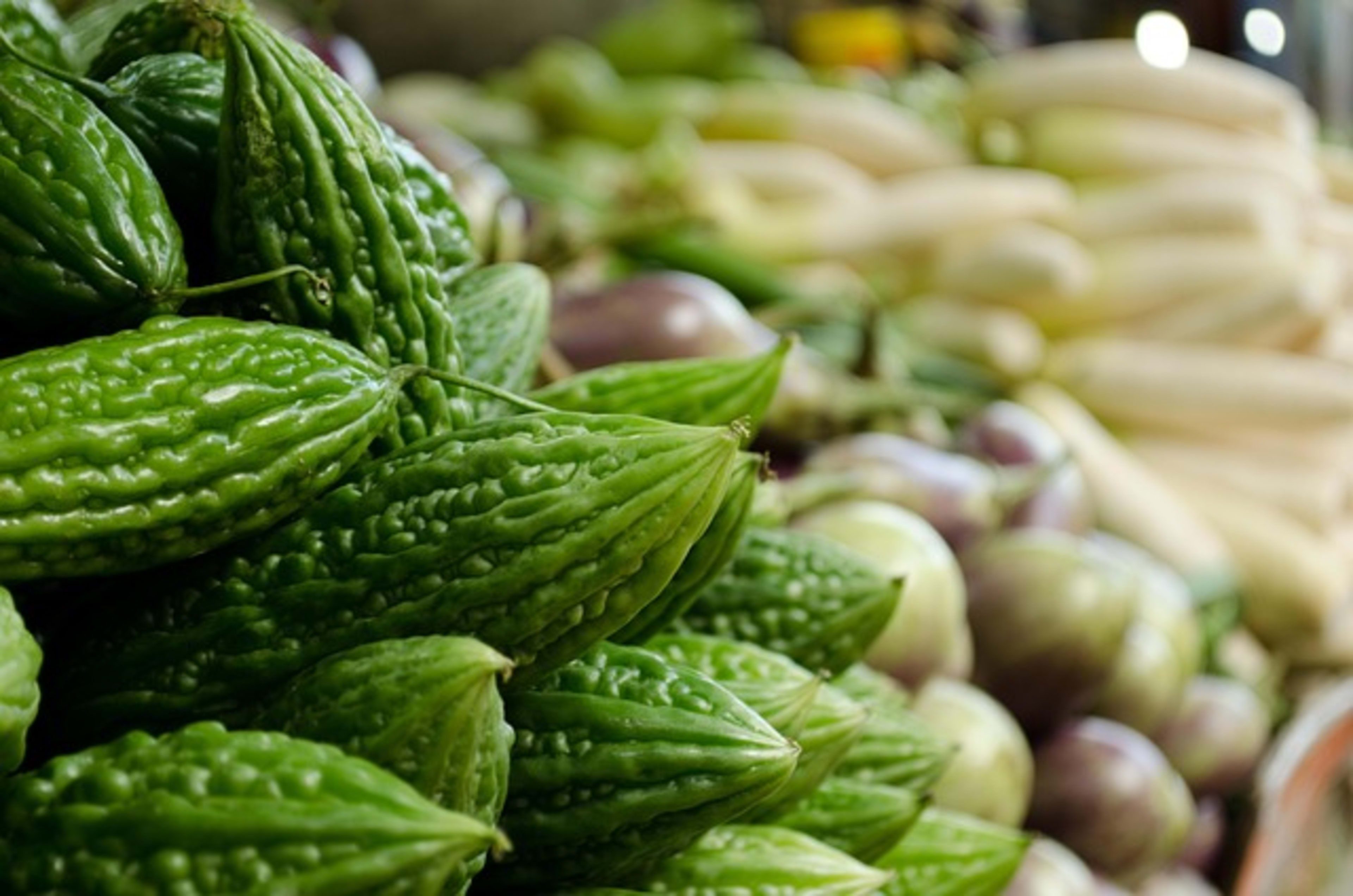
Hydration
Stay Hydrated
Water regulates temperature, carries nutrients and keeps your brain sharp. Most people need two to three liters of fluids a day — more when training or in heat.
Explore Hydration
Recipes
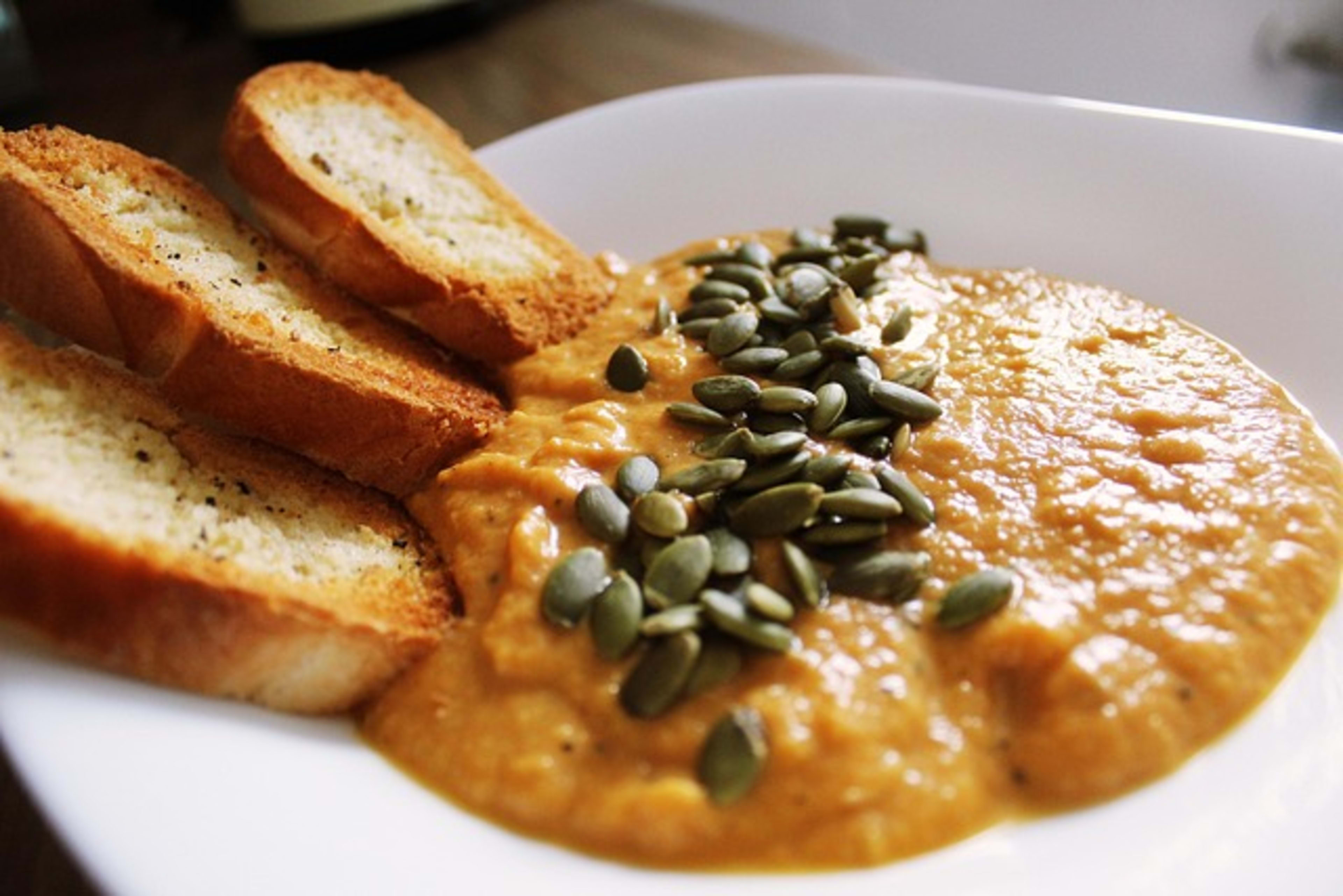
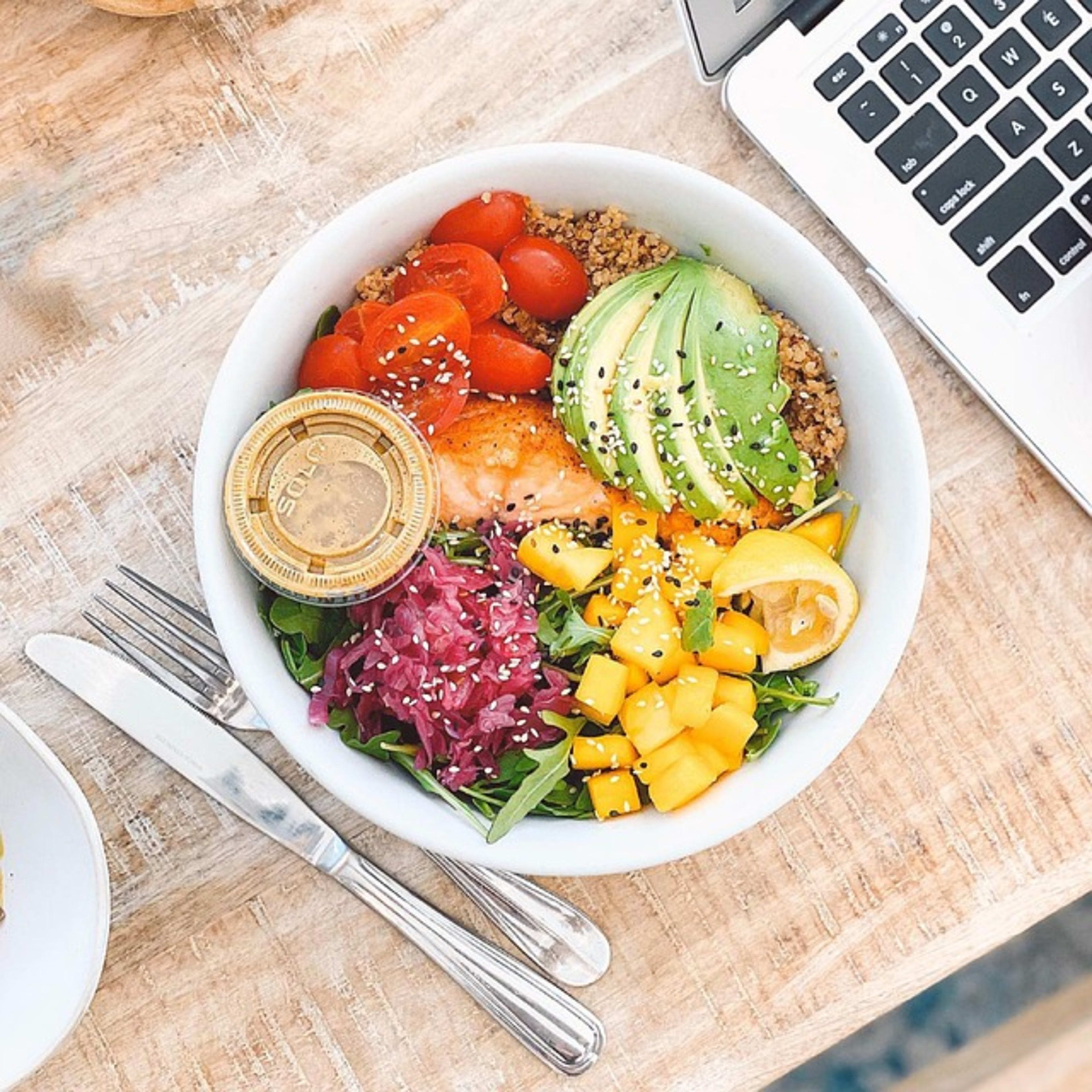
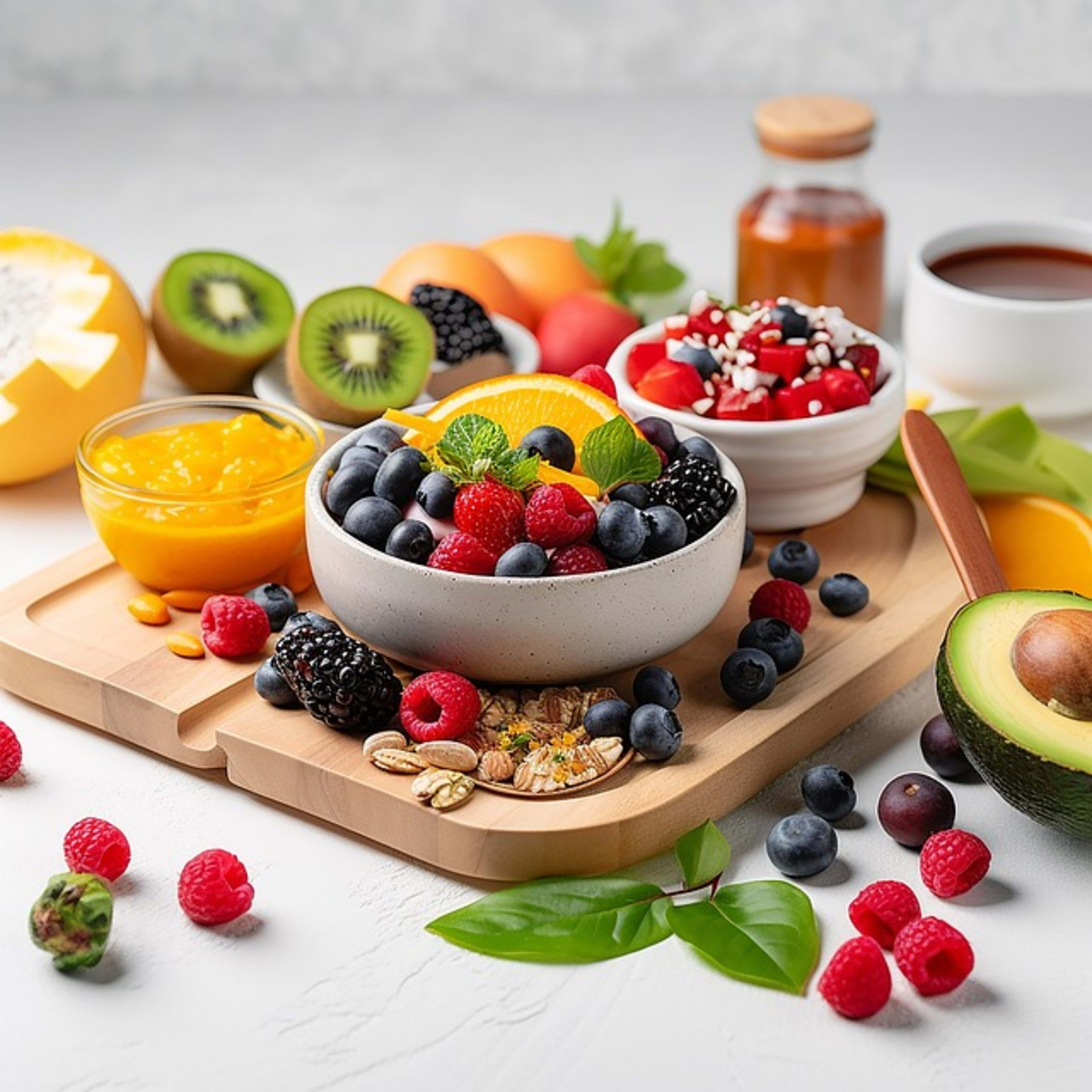
Good Food, Made Simple
Healthy recipes designed for real everyday meals.



Fresh
Latest From Nutrition



Common Nutrition Questions
What is a balanced diet?
Roughly half your plate vegetables and fruit, a quarter protein foods and a quarter whole grains — plus water to drink and healthy fats in cooking. No single meal needs to be perfect.
How much protein should I eat?
Around 1.6 grams per kilogram of body weight per day covers most active people — for example, about 110g for a 70kg adult, spread over three to four meals.
How much water should I drink?
Two to three liters of total fluids daily suits most adults, more in heat or around training. Pale-yellow urine is a better guide than any fixed number.
Are carbohydrates bad for you?
No. Whole-food carbohydrates — oats, rice, potatoes, fruit, legumes — fuel training and daily life. Problems come from excess added sugar, not carbs themselves.
Can healthy eating help with weight loss?
Yes, when it creates a gentle calorie deficit: protein and fiber at every meal, sensible portions, and drinks without calories do most of the work.
How can I eat healthier on a budget?
Build meals on eggs, dairy, legumes, oats, rice, frozen vegetables and seasonal fruit. Planning one shop a week wastes less than any superfood saves.