Strength · Upper Body
Upper-Body Strength Workout
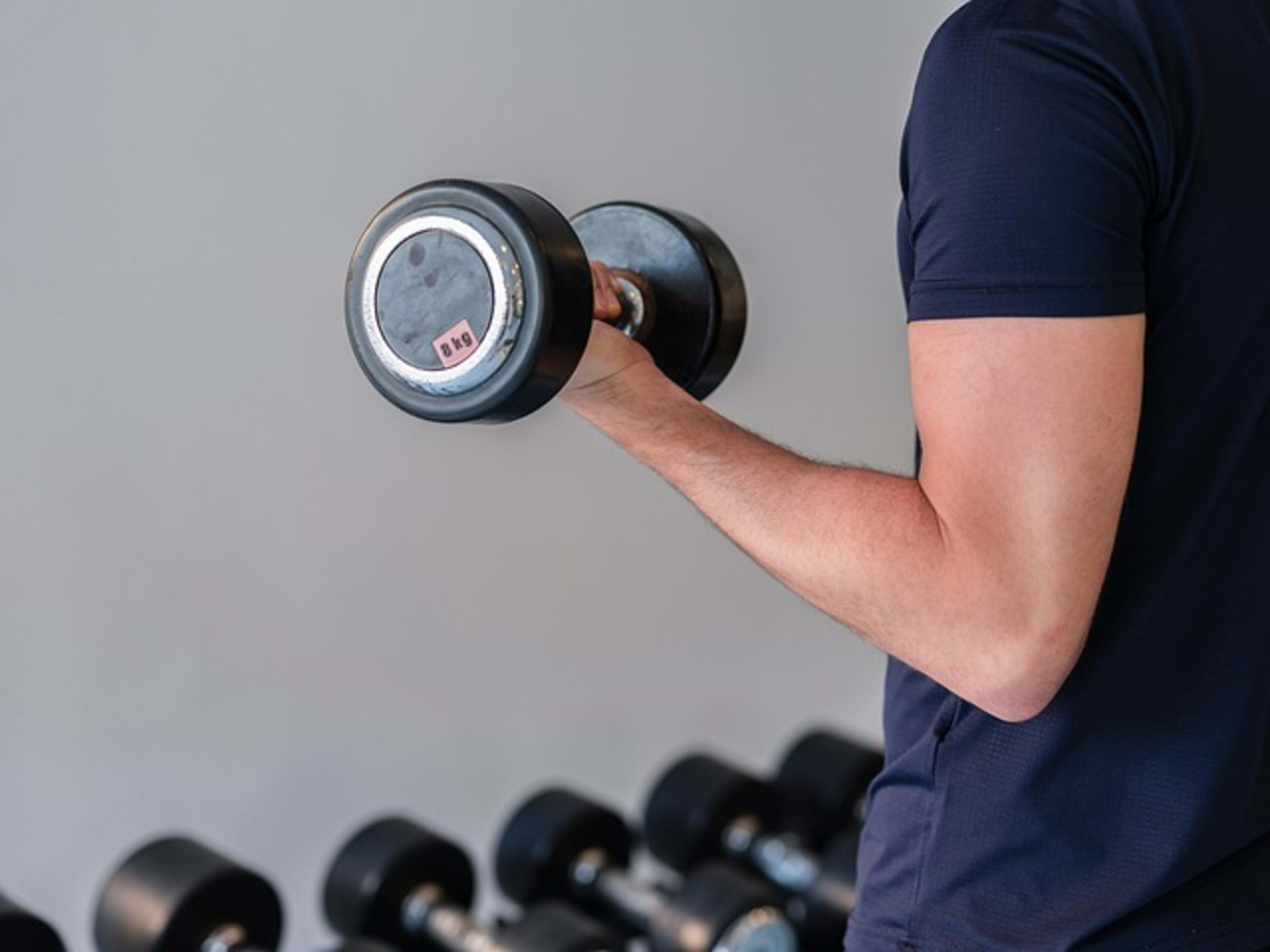
Push, pull and carry with dumbbells — a 35-minute upper-body session for steady gains.
- Duration
- 35 min
- Difficulty
- Intermediate
- Equipment
- Dumbbells
- Target
- Chest · Back · Shoulders · Arms
- Format
- Strength · Straight Sets
At a Glance
- Push + pull balance
- Intermediate friendly
- Dumbbells
- 35 minutes
- 5 exercises
Workout Structure
- Warm-up
- 5 min
- Main Lifts
- 25 min
- Cooldown
- 5 min
Your Workout
Exercise List
Exercise Details
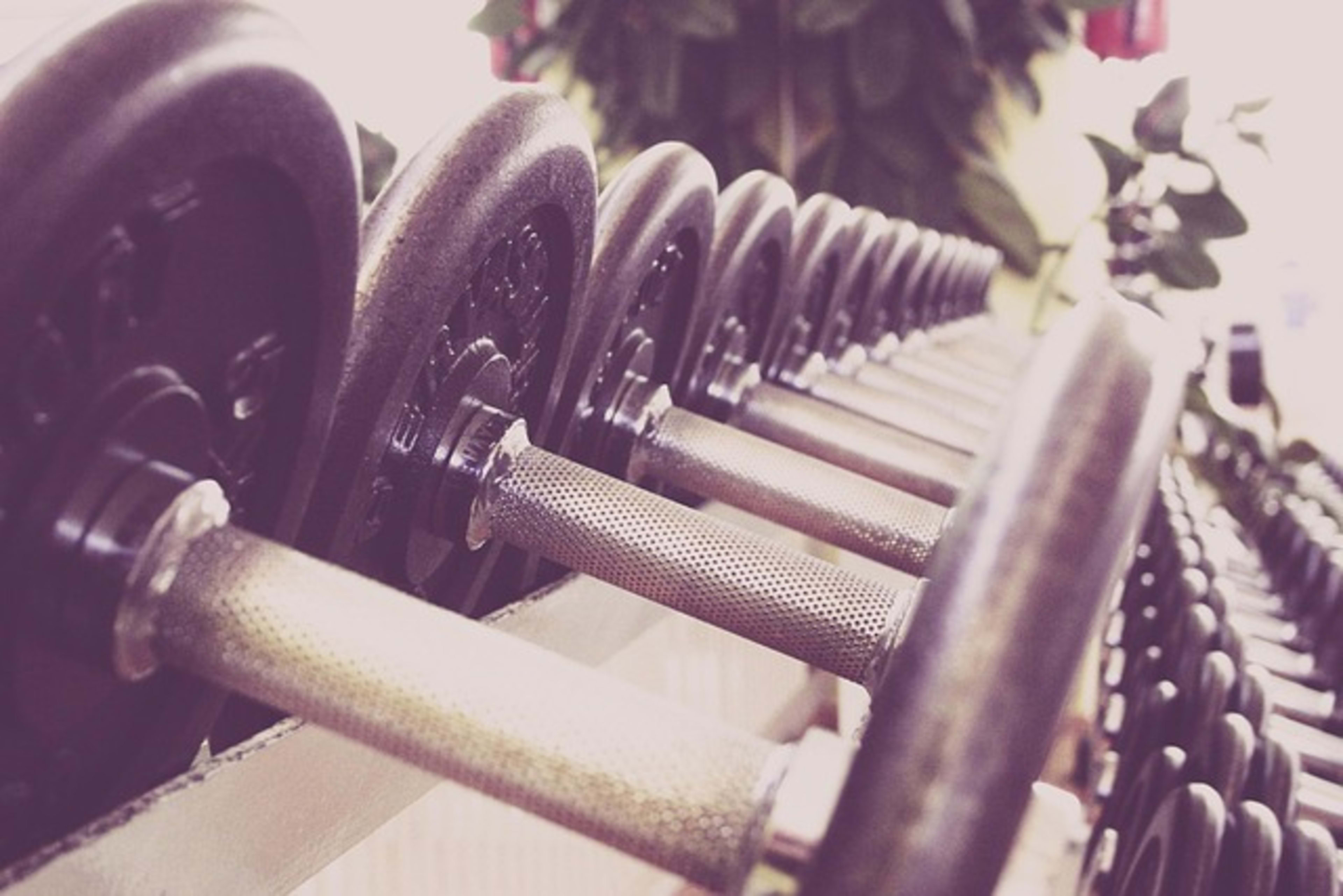
Dumbbell Floor Press
How to do it
- Lie back, dumbbells at chest height.
- Press up until arms are straight.
- Lower until elbows touch the floor.
Modification — Lighter Load: Drop 2–5 kg to protect form on later sets.
One-Arm Dumbbell Row
How to do it
- Hinge forward with a flat back.
- Row the dumbbell to your hip.
- Lower with control, no twisting.
Modification — Chest-Supported Row: Lean on an incline bench to remove lower-back fatigue.
Standing Shoulder Press
How to do it
- Dumbbells at shoulder height, ribs down.
- Press overhead without arching.
- Lower to shoulders slowly.
Modification — Seated Press: Sit to reduce balance demands and back arch.
Dumbbell Curl to Press
How to do it
- Curl dumbbells to shoulders.
- Rotate and press overhead.
- Reverse the path on the way down.
Modification — Curls Only: Skip the press when shoulders fatigue.
Farmer's Carry
How to do it
- Pick up heavy dumbbells.
- Stand tall, shoulders back.
- Walk steadily without swaying.
Modification — Shorter Distance: Carry 20 meters with the same tall posture.
Form Check
Do
- Keep ribs down on presses
- Squeeze shoulder blades on rows
- Move the weight, don't swing it
Avoid
- Arching the lower back overhead
- Shrugging shoulders to ears
- Using momentum to finish reps
Make It Harder — An Example
One example of how this workout could progress. It is not universally appropriate — adapt it to your recovery and experience.
Week 1
Learn weights at 2 reps in reserve
Week 2
Add one rep per set
Week 3
Add the smallest weight jump
Week 4
Add a fourth set to main lifts
Make It Easier
Need a lower-impact version?
- Use lighter dumbbells
- Do 2 sets instead of 3
- Rest up to 2 minutes
- Swap presses for machine or band versions
After Your Workout
Cooldown & Recovery
3–5 minute easy cooldown:
- Slow walking or marching in place
- Gentle breathing — in through the nose, out through the mouth
- Light mobility for the joints you just trained
Then focus on hydration, nutrition and adequate recovery.
Workout Safety
- Choose weights you can control for every rep of every set.
- Stop pressing movements immediately with shoulder pain.
- If you are new to lifting, get one coached session on form first.
General information only — not personalized medical advice. See our Health Disclaimer.
Workout FAQ
How heavy should my dumbbells be?
A weight you can lift 8–12 times with good form, leaving 1–2 reps in reserve on the first set.
How often can I train upper body?
Twice per week with at least 48 hours between sessions works for most lifters.
Do I need a bench?
No — floor presses and standing moves cover everything here; a sturdy chair helps rows.
When should I increase weight?
When you hit the top of the rep range on all sets with clean form, add the smallest jump available.
Sources & References
- WHO — Physical Activity Fact Sheet
- CDC — Physical Activity Guidelines for Adults
- ACSM — Resistance Training Recommendations
FitLifeGuide Editorial Team
Certified trainers & nutrition writers
Every FitLifeGuide article is written by our editorial team, reviewed against current exercise and nutrition guidance, and updated as recommendations evolve.
View all articles