BMI (weight ÷ height²) sorts adults into four bands: underweight (below 18.5), normal weight (18.5–24.9), overweight (25–29.9) and obesity (30+). It was designed for populations, not individuals — useful as a first screen, weak as a final verdict.
- Muscle weighs more than fat — lifters often land in “overweight” while being metabolically healthy.
- Age and build shift meaning — the same BMI reads differently at 25 and 65.
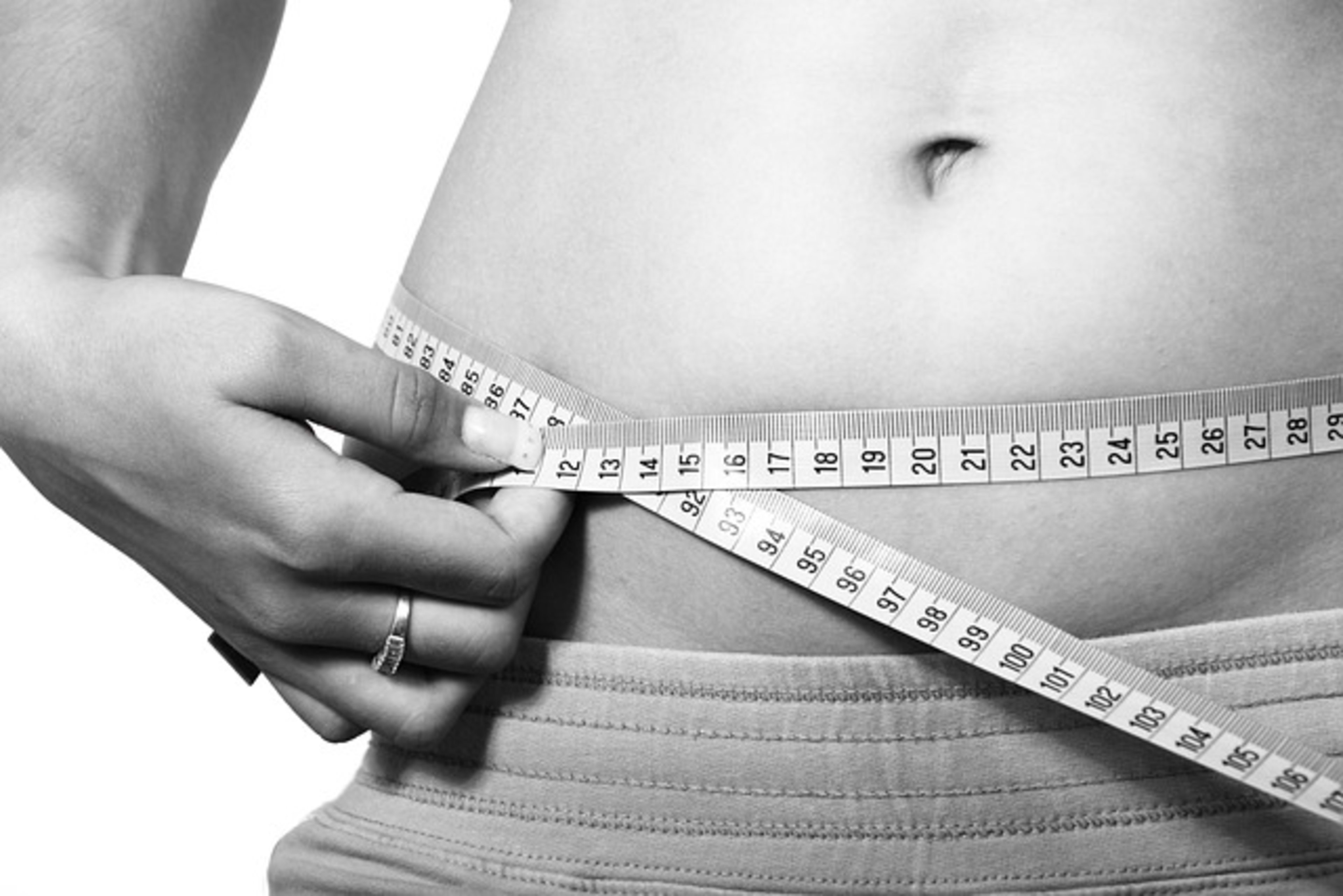
- Distribution matters more — waist size and activity predict risk better than BMI alone.
Use your result as a starting point: if it surprises you, look at daily movement on Workouts, eating patterns on Nutrition, and the sustainable path on Weight Loss — or try the Calorie Calculator next. Data never leaves your browser. Results are educational estimates, not medical advice (see our Health Disclaimer).