Protein
How Much Protein Do You Really Need? A Practical Guide
Cut through the protein confusion: how much you need, the best sources, and how to hit your target without living on chicken breast.
By FitLifeGuide Editorial Team
Quick Answer
Most active people thrive on roughly 1.2–2.2 grams of protein per kilogram of body weight daily — about 110–150 grams for a 70 kg adult, spread across three to four meals.
- Beginner
- Intermediate
☰ On This Page
How Much Protein Do You Need?
The short answer: more than official minimums suggest, less than supplement ads claim. Around 1.2 grams per kilogram covers general active life; 1.6–2.2 supports muscle building and dieting. For a 70 kg adult, that means roughly 85–155 grams daily depending on goal and training.
Daily protein targets by goal
| Goal | Per kg | 70 kg adult |
|---|---|---|
| General health | 1.2–1.6 g | 85–115 g |
| Build muscle | 1.6–2.2 g | 110–155 g |
| Lose fat, keep muscle | 1.8–2.2 g | 125–155 g |
Best Protein Sources
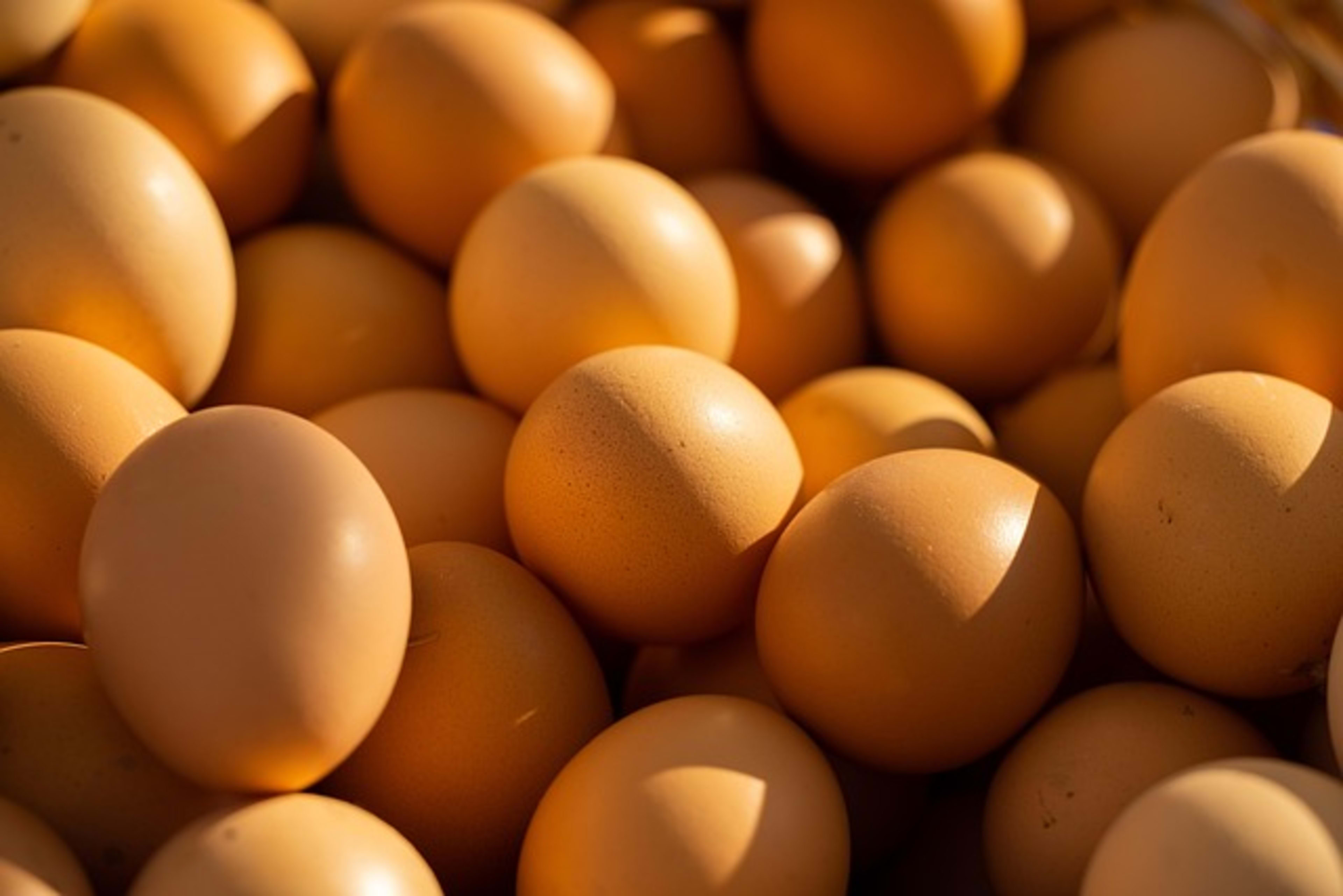
Anchor meals on complete proteins — eggs, dairy, poultry, fish, soy and lean meat — then fill gaps with legumes, grains, nuts and seeds. Variety covers amino acids automatically; no single perfect food is required.
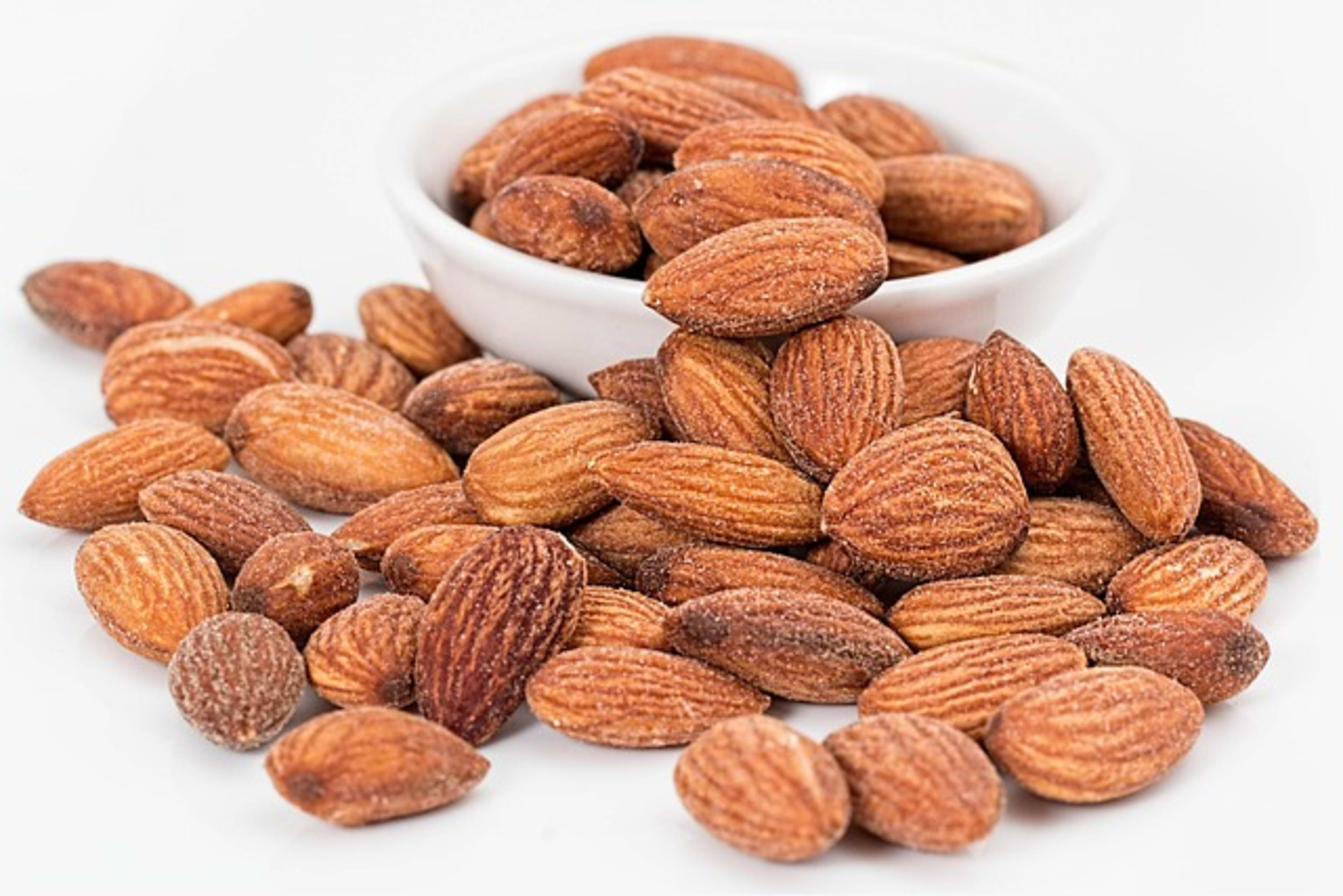
- Animal: eggs, Greek yogurt, chicken, fish, lean beef
- Plant: lentils, chickpeas, tofu, tempeh, quinoa
- Snacks: cottage cheese, nuts, edamame, protein shakes
Structuring Protein Across the Day
Muscle protein synthesis responds best to repeated doses: aim for 25–40 grams at three to four meals rather than 100 grams at dinner. Breakfast is the meal most people under-serve — fixing it alone often closes the gap.
Protein Day
- Breakfast — 30g to stop overnight breakdown
- Lunch — 30g to stay full all afternoon
- Post-training meal — 30–40g for recovery
- Dinner — 30g to finish the target
Does Protein Timing Matter?
Far less than total intake. The famous 30-minute anabolic window is mostly myth for people eating regular meals — a normal protein-rich meal within a few hours of training covers it. Consistency across weeks beats precision across minutes.
FitLifeGuide Tip
If you train fasted in the morning, eat protein within an hour after. Otherwise, just eat your next scheduled meal.
Common Protein Mistakes
Saving it all for dinner
One giant evening serving stimulates growth once; spread doses stimulate it three to four times.
Fearing protein as harmful
In healthy people, intakes up to 2.2 g/kg show no kidney harm. Hydrate normally and carry on.
Ignoring plants entirely
Legumes and soy are cheap, fiber-rich protein. Combining sources across the day covers all amino acids.
Protein Checklist
- Know your daily target range
- Anchor breakfast with 25–40g
- Include a palm-sized portion at lunch and dinner
- Keep 2–3 easy snacks stocked
- Track for one week, then eat on autopilot
Frequently Asked Questions
How much protein per day for a 70 kg adult?
Roughly 85–115 grams for general health, 110–155 grams for muscle building or fat loss — spread over three to four meals.
Can you eat too much protein?
Very high intakes squeeze out other nutrients and add calories, but up to 2.2 g/kg is well-tolerated by healthy kidneys.
Do I need protein powder?
No — it is convenient, not mandatory. Whole foods cover every target if you plan meals; powder just fills gaps cheaply.
What is the best protein for vegetarians?
Soy foods, lentils, chickpeas, quinoa and dairy or eggs if eaten. Combine legumes with grains across the day.
Sources & References
FitLifeGuide Editorial Team
Certified trainers & nutrition writers
Every FitLifeGuide article is written by our editorial team, reviewed against current exercise and nutrition guidance, and updated as recommendations evolve.
View all articles